
Punjab-wide service
Termite Control in Punjab
A Punjabi house may be brick and RCC, but its door frames, almirahs, kitchen cabinets and books are not — and that is what deemak comes for. We treat termites in homes, offices, shops and new construction across Punjab.

Termite Control in Punjab
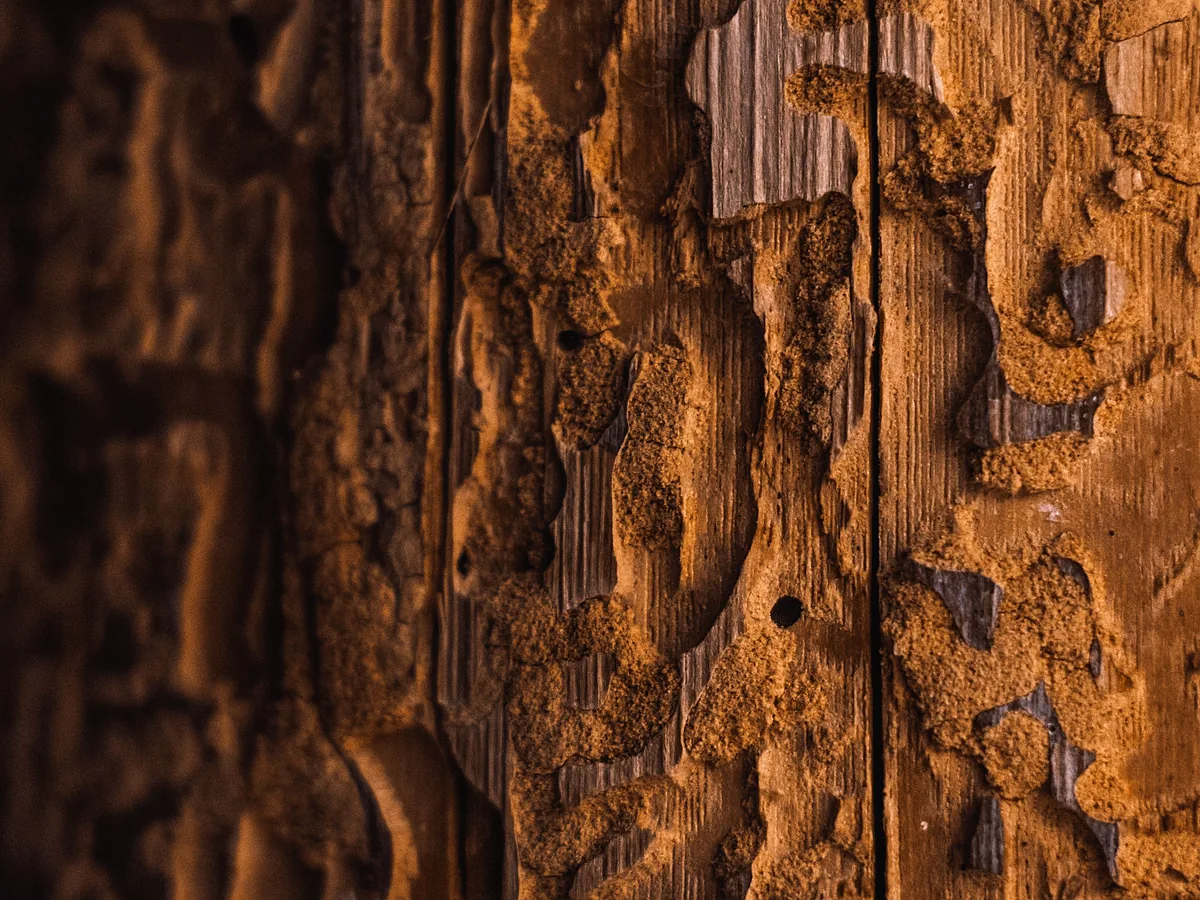
What to knowThe termites that trouble most Punjab homes live in the soil, not in the wood. They travel up into the building through hairline floor cracks, the joint where wall meets floor, gaps around pipes, and the base of wooden door frames (chaugath) set into the masonry. Because they move inside thin mud tubes and eat wood from the inside, the surface often looks fine until a frame gives way.
Termites are busiest in the warm, humid months, and the first good rains of the monsoon bring out the winged swarmers that circle tube lights in the evening and then drop their wings. Seepage makes things worse: a wall kept damp by a leaking bathroom, an overflowing roof tank or a low-lying plot gives them the moisture they need. They turn up in the old houses of Amritsar's walled city and in new flats with plywood wardrobes alike.
Punjab also builds a lot — new kothis, extra floors, shops and sheds — and the easiest moment to deal with termites is before the floor is laid. At the other end, many Doaba families keep a house locked for months while relatives are abroad; a closed house is exactly where termite damage goes unnoticed, so an inspection before or after a long absence is worth it.
Also searched as: termite control in Punjab · anti-termite treatment · deemak control · deemak ka ilaj · post-construction termite treatment · pre-construction anti-termite treatment · termite treatment for furniture · termite inspection
Signs you need termite control
- Thin mud tubes — lines of dried mud — running up a wall, along the skirting or behind a cupboard
- A door or window frame that sounds hollow when tapped, or gives way when pressed with a thumb
- Small papery wings near windows, doors and lights after the first rains
- Books, files or cartons in an almirah or store room with eaten edges and soil inside
- Plywood or particle-board shutters in the kitchen or wardrobe that swell, sag or crumble at the bottom edge
- Fine soil packed into floor cracks or along the wall–floor joint
Before the technician arrives
- Pull furniture, boxes and almirahs a little away from the walls so the wall–floor joint can be reached
- Point out every place you have seen mud tubes, wings or damage, even if it was months ago
- Lift rugs and carpets along the walls of the rooms to be treated
- For pre-construction treatment, share your builder's schedule so visits match the trench, plinth and flooring stages
- Keep children and pets out of the rooms while the work is going on, as the technician advises
How The Treatment Is Done
Step by step- 1Inspection first
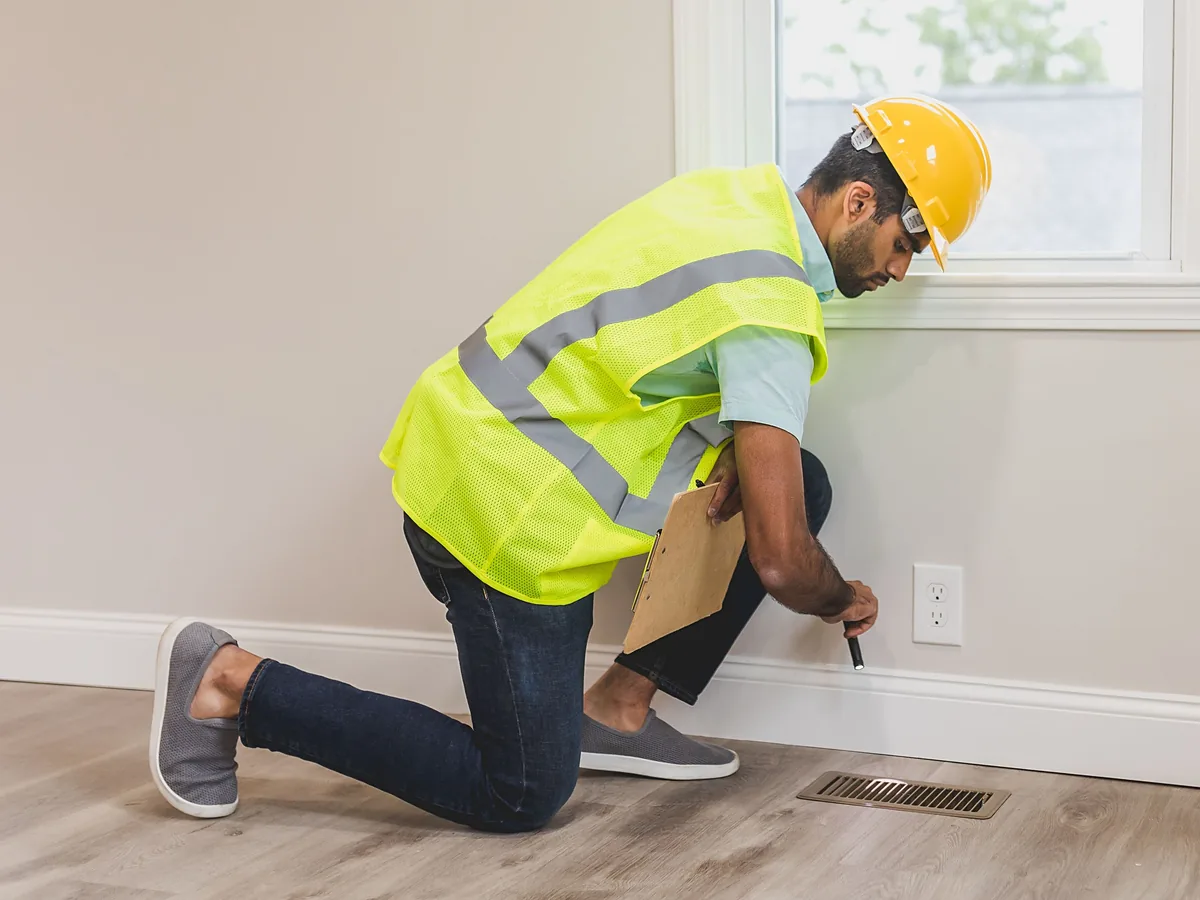
The technician checks walls, floors, skirting, frames, wardrobes and store rooms for mud tubes and hollow wood, finds where the termites are coming in, and explains the findings and a treatment plan on the spot.
- 2Drill along the termite paths
In a built home, office or shop, small holes are drilled at intervals along the wall–floor junction and at the joints and cracks where termites travel.
- 3Fill and seal
Termiticide is filled into those holes so it reaches the soil and masonry behind them, and the holes are sealed again.
- 4Treat the woodwork
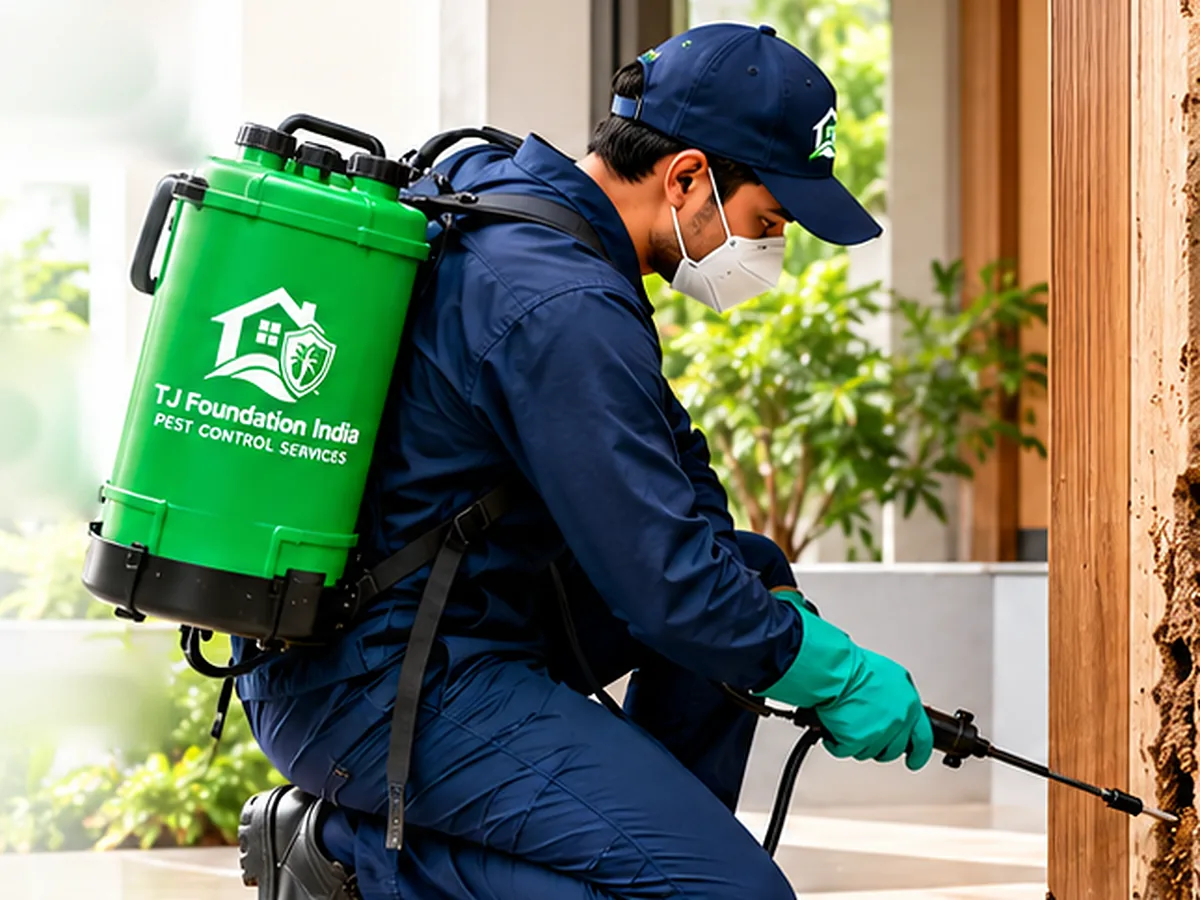
Door frames, furniture, cupboards and other wooden fittings that show activity get injection or spray treatment, along with the entry points near them, so the damage stops spreading.
- 5Soil treatment for new construction
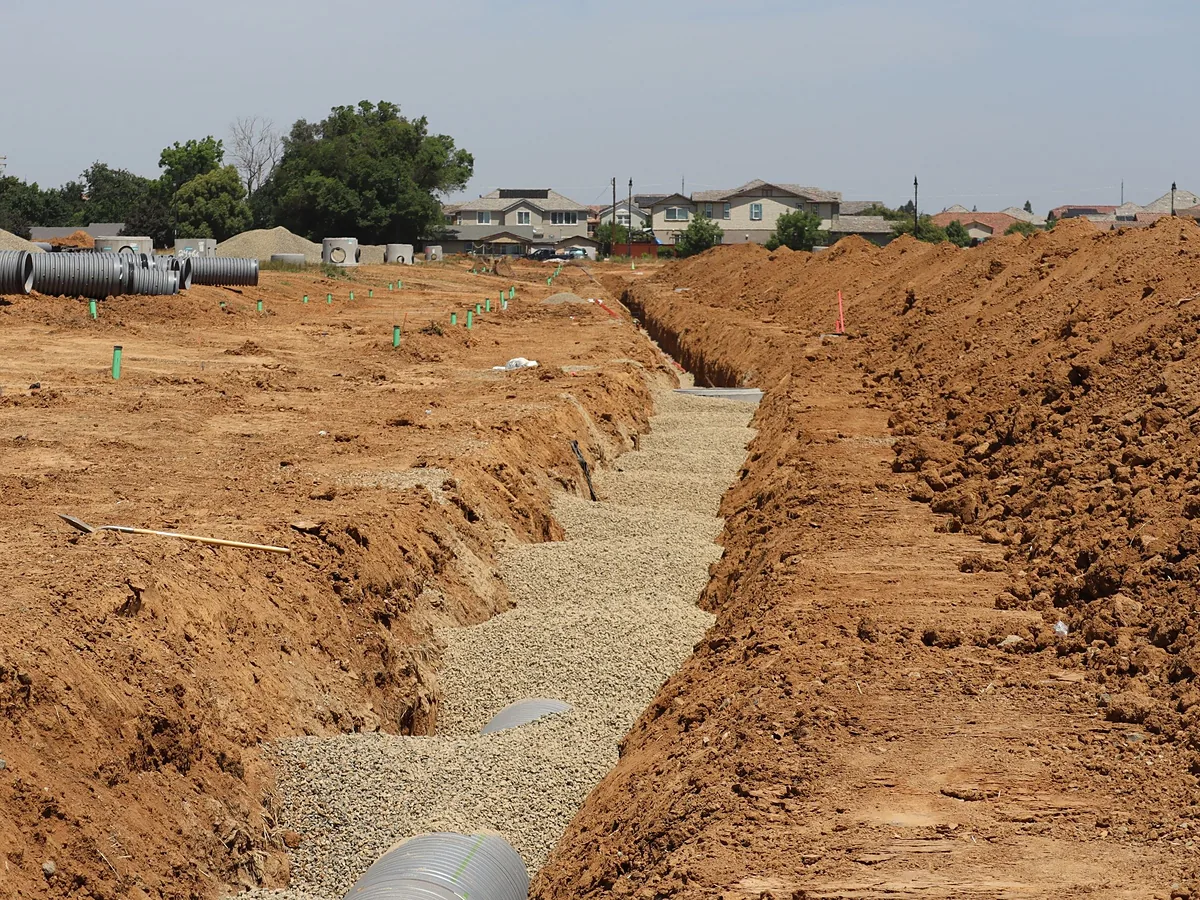
On a plot under construction, the foundation trenches, the plinth and the soil below the floor are treated before flooring, in stages planned with your builder, with a visit at each stage needed.
- 6Advice for afterwards
You get advice on keeping termites away — fixing seepage, keeping wood off damp floors, not stacking cartons against walls — and are told if any spot needs a second look.
Termite Control Across Punjab
Find your cityMalwa
South of the Sutlej — Ludhiana, Patiala, Bathinda, Mohali and the cotton and grain belt
Doaba
Between the Beas and the Sutlej — Jalandhar, Hoshiarpur, Kapurthala, Phagwara, Nawanshahr
Majha
North of the Beas — Amritsar, Tarn Taran, Gurdaspur, Batala, Pathankot
Termite Control — Questions
Asked before bookingCan deemak be treated without breaking the floor?
Yes. Post-construction treatment uses small drilled holes, not broken tiles. The holes are made along the wall–floor joint and near affected frames, filled with termiticide and sealed again, and the technician shows you where they will go before drilling.
I am not sure what my house needs. What should I book?
Book a Termite Inspection. The technician inspects the whole property, explains what they found, and gives you a treatment plan and quote. Nothing is started until you agree.
We are building a new house. When should anti-termite treatment be done?
Before the floor goes in. Pre-construction treatment covers the foundation trenches, the plinth and the soil under the floor, so it has to be timed with the construction. Book early and share the schedule; visits are planned with your builder for each stage.
Can I get only my furniture treated?
Yes. Wood & Furniture Termite Treatment covers furniture, doors, frames and cupboards that show activity, plus nearby entry points. If the termites are coming up from the soil, you will be told, because treating furniture alone may not stop new attacks.
How is the price decided?
It depends on the size of the property, the treatment needed and how far the termites have spread. Where the website shows no price, it is price on inspection: the technician inspects first and tells you the price before any work starts. You pay after the service, in cash or by UPI.